
3275 History Drive Oakton VA 22124
Book Appointment
Patient Form
Payment

Root Canal

If the thought of having a root canal done already makes you cringe, or if it sends you into cold sweats at the mere mention, hey, trust me: You're not alone. A ton of people get nervous just thinking about it. But here's the thing: for the vast majority of people who have it every year, it's actually a huge relief, not some excruciating nightmare. It ends the pain and spares your tooth from being extracted.

Root Canal Fairfax

Introduction

Here at Fairfax Dental Care in Fairfax, VA, we’re all about providing gentle, accurate root canal treatment for residents across the D.C. service region. If you've been suffering through nagging toothaches, bizarre sensitivity to hot or cold foods and drinks or swelling that even suggests an infection, don't play the waiting game—pick up the phone or go online today to reserve a time.

Questions & Answers

Root Canal Basics Q&A

So, what’s actually going on in a root canal?

A root canal, or endodontic therapy as we pros call it, is essentially the process of fixing the soft stuff that’s inside your tooth — it’s called the dental pulp. The key is to save the tooth from destruction and not lose it. To understand why it works, let’s break down how a tooth is constructed real quick.
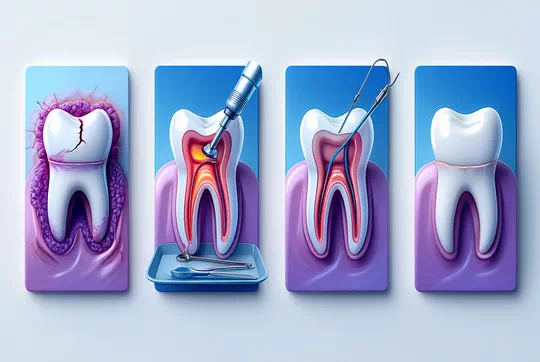
endodontic therapy

Right in the middle, between tough dentin and that sleek outer enamel, is this pulpy core filled with blood vessels, nerves and connective bits. As your tooth develops, that pulp contributes to constructing those strong layers around it.

It travels from the top, or crown, of the head right down to its roots, connecting to the gums and jawbone that surround it. Fun fact: once the tooth comes in, it actually doesn’t need that pulp to keep on keeping on — it’ll make do with what’s next door.

But if that pulp gets irritated, inflamed or invaded by bacteria — from deep decay, a crack or perhaps too many fillings over the years — it can also mean killer pain or even an abscess (that’s what I call a pocket of infection). The treatment flushes out the bad, scrubs the channels and seals everything tight again to prevent trouble from returning and to assist in healing.

Where you actually use one?

A lot of the same culprits that lead to cavities can also help pave the way for a root canal later on — everything from forgoing brushing and flossing and overindulging in sugar to dealing with an especially dry mouth that’s making matters worse. Other potential risks stem from things like a tooth that’s been chipped or cracked in an accident, grinding your teeth that can wear them down, or teeth stupid with work done on them already — several crowns or significant fillings.

stabbing, shooting pain

Here are a few of the signs that something is up and you might need support:

  • A stabbing, shooting pain that jumps around or throbs insanely
  • This weak constant pain that just won't go away
  • Increased sensitivity to heat, cold, sweet or air staying too long
  • Pain while biting, chewing, or even touching the affected tooth, possibly with some gum swelling
  • The tooth going darker or grayer, or strange spots emerging on an X-ray
  • A "pimple" on your gum that lets out pus, or swollen glands signaling it's spreading

If any of this sounds like what might be happening to you—maybe you have pulpitis (inflammation) or the pulp is dead by now — then get in touch with us, Fairfax Dentist today so we can try and prevent further complications, such as bone infections or serious swelling on your face or neck.

What happens during the entire process?

anesthesia

First, we’ll make damn sure that you are thoroughly numb with local anesthesia, and if you’re really nervous about the procedure, we can also offer laughing gas or a mellow sedative to keep things cool and pain free.

shape the root canals

It’s kind of like getting a filling, but we go farther. We place a little rubber sheet (dam) around the tooth to keep it dry and clean, then create a small hole to get into the pulp. The infected or inflamed tissue (that’s the pulpectomy part)? Out it comes, and we clean and shape the root canals with special tools and rinses like sodium hypochlorite to kill off bacteria and debris.

plug up the space

Then we plug up the space with a rubbery filling known as gutta-percha and seal it off to keep out future germs. If the tooth’s pretty beat up or you’re a grinder, we might also cap it with a crown, maybe including a post and core to make it stronger so that it stands up to chewing and doesn’t break in the future.

Does it really hurt that bad?

Nah, screw the old-school horror stories — while modern numbing shots and techniques exist today, you ain’t gonna feel a thing when it comes to the work itself. Most people say it’s not even that big of a deal, you know, like at least as normal as getting your teeth cleaned or a regular ol’ cavity filled.

If you’re still scared, just remember: the infection or whatever is causing the problem hurts way more than they pain inflicted by the fix. When it is over, the sweet relief is immediate and your tooth has a second shot at life.

you won't feel anything

And if you fail to respond, things can quickly get very ugly — the bacteria can spread to your jaw and sinuses, or beyond, resulting in stuff like emergency surgery or losing the tooth altogether.

Curious if a root canal can help you solve those tooth woes, get relief from pain, and/or fit in with your comprehensive dental care?

Give us a call or use our simple online tool to schedule a check-up — we’re here for you.

Services

Our Dental Services

Contact Us

Book appointment

Phone Numbers

571-541-7977

Address

3275 History Drive Oakton VA 22124